Saturday, February 20, 2021

Infinite Potentiality

Coming-of-age films are usually marketed to audiences around the same age and demographic of the main characters. This can range from children to teenagers of both genders, The most common age range for coming-of-age audiences is 12 to 18 year olds, and this is also the most common age group represented in these films. Representation in coming-of-age has developed to be more accurate to the experiences of these audiences and less dramatized in recent years, focusing on the reality of mental health, school, home life, and other situations. Some films may receive R certifications if their content and nature, such as sexual scenarios and vulgar or offensive language and comedy, is deemed more appropriate for audiences ages 17 and up.


Ex) The 2007 film Juno deals with more serious and mature
themes such as teen pregnancy, but received a PG-13
certification since it teaches important lessons and tones down
its raunchy comedic nature.


With all the research that I’ve compiled, I’m able to now brainstorm about which conventions I want to include in my film opening. I’d definitely like to hone in on the aspects of realistic interactions and editing of those scenes, while having a more atmospheric style focused on visuals. While planning out my full film, I will plan the basis of a coming-of-age storyline with common themes including those mentioned in my previous post regarding the connection between setting and character identity.

My film opening will work to introduce the main character and setting, as well as some basic themes of the overall story. Like I mentioned before, I’d like to incorporate a song and might reach out to my friend Christian for that. I’d like to focus on building an atmosphere and tone that can be built further on in the film while still being consistent enough for the opening in and of itself.

post titled after this song

Resources:
https://www.queensjournal.ca/story/2019-07-07/pop-culture/what-the-evolution-of-coming-of-age-movies-means-for-representation/
https://www.mentalfloss.com/article/502416/13-phenomenal-facts-about-juno

Friday, February 19, 2021

Traumas of the past, take it backwards / Mean girls, bad gals, or: setting and character in coming-of-age

Many coming-of-age films take place in familiar settings such as suburban neighborhoods and schools. This adds to the sense of relatability and helps make the films and stories seem more rooted in reality and able to present real-world, easy to process themes. Audiences can see characters in similar communities, classes, and environments as them, and this relatability can make them more interested in the story and enjoy it more. These settings can also add to character development by providing a sense of identity: the characters can be tied to their environment or grow distanced from it, both important in developing the characters as they grow up or reach adulthood. 

One coming-of-age film that uses setting as an important story element as well as in character development is Lady Bird (2017). The film follows the titular character through her senior year of high school as her friendships and personality change, and a large aspect of her identity revolves around her relationship to her home town of Sacramento. Throughout the film, Lady Bird is bitter towards her surroundings, her low-class household, and the sameness of the life and people around her, excited to go to New York for college. However, by the end of the film, she takes a ride around her town and comes to admire the surroundings she grew tired of. This development and the role that Sacramento plays in shaping Lady Bird’s character and identity is something present in many coming-of-age stories and the lives of teenagers themselves, and I would like to explore the relationship between selfhood and setting in my film opening.

The editing in coming-of-age films is ‘natural,’ flowing in a realistic manner or focusing on dialogue and acting in order to further realize the scene. Some coming-of-age films that cross into adventure or science fiction, such as Stand By Me (1987) and Donnie Darko (2001), employ editing conventions from those genres and highlight more action-oriented aspects of their stories. Most films are the standard feature-length, being 90 minutes to two hours, with shorter lengths being more popular for more carefree-feeling films and those with more serious films being longer. 

Reflecting the familiarity of the setting, most costume and set design in coming-of-age films aims to realistically portray life in adolescence and childhood. Costume design is usually simple, with defining items sometimes standing out and remaining distinct to certain characters. Set design is often detailed, portraying schools or homes with accuracy and realism. Certain props also stand out and can be attributed to certain characters, giving them more distinct personalities within an ensemble or representing how they stand out in their community.

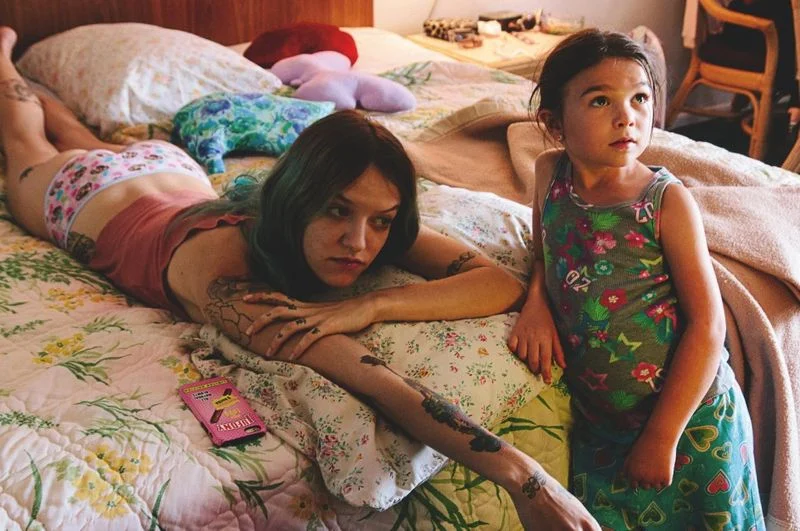
Ex) The Florida Project (2017) employs on-location shooting and detailed set design to reflect the reality of childhood in a low-class environment. The character Eleven in Stranger Things is often associated with the image of Eggo waffles, a brand that has been tied to her image.

Another relatable, nostalgic element often meticulously used and designed in the production of coming-of-age films is the soundtrack. Films such as the Breakfast Club (1985) and the Perks of Being a Wallflower (2012), both mentioned in my previous post regarding this genre, use ‘(Don’t You) Forget About Me’ and ‘Heroes,’ songs that have become culturally attached to the respective films. Soundtracks can consist of familiar pop songs that one can associate with a certain era or the timeless feeling that music provides, uniting generations over time. A well-crafted soundtrack can include songs like this, original songs composed specifically for the film that reflect its themes or characters, or other songs from outside sources that accomplish the same goal.


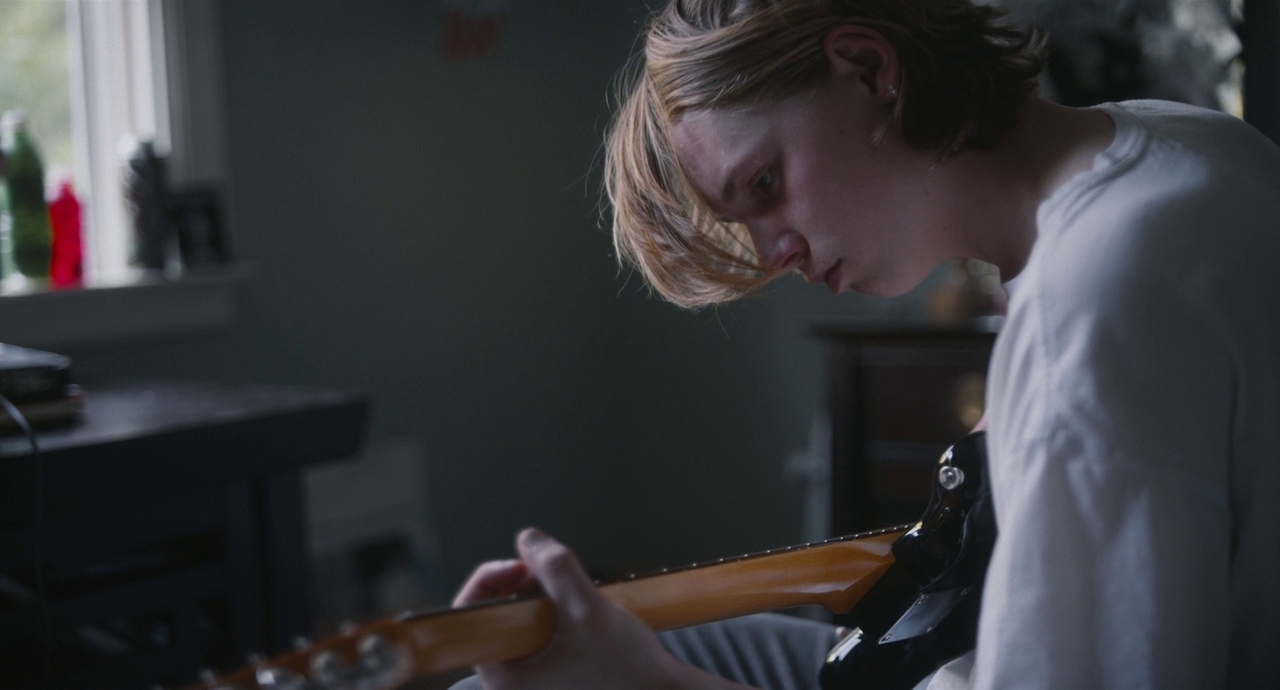
One of my favorite coming-of-age soundtracks is that of Palo Alto (2013), and is composed of songs from big artists in the ‘indie’ scene, such as Blood Orange and Mac DeMarco, as well as original songs written for the film, including an intimate one written by starring actor Jack Kilmer. Side note, this soundtrack was released under Domino Records, which I just researched for my Music Marketing Project. Small world. Anyways, this soundtrack and its song choices are evocative of the overall tone of the film, one of hazy half-adult late adolescence and the irresponsible choices the characters make to form an identity that they haven’t yet found this far into their lives. The atmosphere it creates both within the film and separate from it is incredible, and is widely regarded by fans of the film (as sourced by my friends Ian, Chloe, and Sailor - hi guys) as an amazing album in and of itself, not to mention what it does for the film.

post titled after this song

Resources:
https://www.brightwalldarkroom.com/2016/04/18/living-in-the-sprawl-coming-of-age-in-the-suburban-void/
https://museemagazine.com/culture/2017/11/10/film-review-lady-bird-2017
https://www.anothermag.com/design-living/12106/teenage-girls-bedrooms-film-euphoria-pretty-pink-eighth-grade-girlhood-studies
https://faroutmagazine.co.uk/behind-the-scenes-photos-the-florida-project/
https://www.businessinsider.com/stranger-things-eleven-doesnt-love-waffles-2016-10
https://film-grab.com/2018/08/31/palo-alto/#bwg1271/78952
http://filmmusicreporter.com/2014/04/28/palo-alto-soundtrack-released/

Thursday, February 18, 2021

Time Today

Since I’ve decided on using the coming-of-age genre in my film, I needed to research it and its conventions.

Coming-of-age films can provide both a relatable comfort and an escape to a better life for those who view and enjoy them. They follow kids and teenagers as they go through the struggles of life, with realistic conflicts that appeal to most audiences in the same age group as the main characters. However, they can often sensationalize or dramatize these events for the sake of entertainment. 

Many coming-of-age films are products of their time in terms of pop culture references that make them relatable in the first place, and these can grow to develop cult followings decades later for their sense of nostalgia or an interesting look into the past. Some can be autobiographical and take place in the past to reflect the writer or director’s childhood. These films are timeless, and still portray themes and stories that reach and impact generations of audiences. 

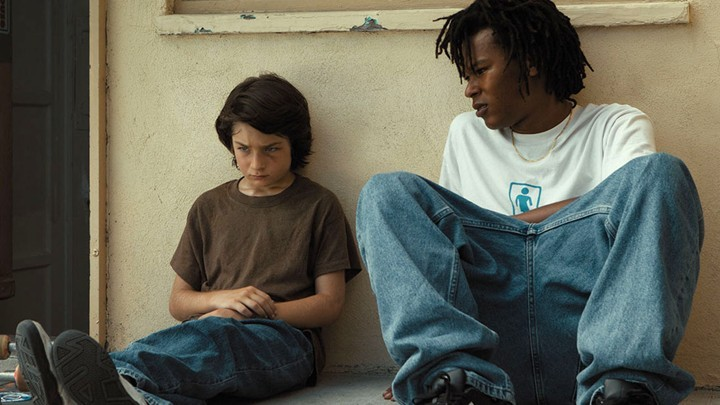
Ex) Mid90s (2018) is a semi-autobiographical coming-of-age film that partially reflects
director Jonah Hill’s childhood in its titular era

Narratives of coming-of-age films can range from single-day adventures with friends to longer storylines that deal with the harsher realities of adolescence and growing up. The latter often take place during high school, specifically junior and senior year, where the characters will be transitioning from adolescence to adulthood. They may also tackle more serious topics and themes such as mental health, family life, and struggles with fitting into social groups.


Ex) The Breakfast Club (1985), one of the most famous ‘timeless’ coming-of-age films, follows different archetypes as they discuss shared struggles over one day in high school.

The structure of coming-of-age films often follows one year of high school or a similar set timespan as the characters develop and learn from their experiences and the world around them. Though the characters do not fully change, they learn lessons about life and work through struggles, maturing to an extent. 

Ex) The Perks of Being a Wallflower (2012) portrays the characters’ relationships and personalities developing as well as
tackling more serious topics such as mental illness and sexuality.

post titled after this song

Resources:
https://industrialscripts.com/coming-of-age-movie/
https://www.clevescene.com/scene-and-heard/archives/2018/10/25/mid90s-actor-jonah-hills-directorial-debut-delivers-a-compelling-coming-of-age-story
https://www.usatoday.com/story/entertainment/celebrities/2019/07/19/judd-nelson-says-the-breakfast-club-shouldnt-remade/1781750001/
https://www.vulture.com/2012/12/toughest-scene-perks-of-being-a-wallflower.html

Sunday, February 14, 2021

Xd Out

A lot of my favorite films have very minimal openings. When I think about what my main influences are for this project, my mind seems to keep circling back on the examples that take an approach that shows the character in relation to their environment. One of my favorite openings ever is the one to Donnie Darko (2001), where Richard Kelly immediately introduces us to Donnie as an isolated, dreamy character who fares better with the natural world than the people in it. The opening to Brown Bunny (2003) does the same, with framing and shot lengths focusing on the isolation of Bud Clay from his surroundings. The Swedish film Something Must Break (2014) opens with shots of nature, before the main character remarks that “I’m not from here” with a switch to a club scene over narration. This establishes the character, Lily, as being removed from her natural surroundings - reflecting her removal from her biological identity - and feeling more accepted in social scenes where she can blend in. 


All these examples place characters in natural settings with some form of commentary on their relationship to their environment and other people. I’ve chosen to adapt this type of opening to the coming-of-age genre. Like I said in my previous post, I think my film opening is going to center around a moving-houses situation. I’ve moved houses many, many times in my life and it still doesn’t get easier. Something I’d like to capture in my film is how the different places people live in contribute to who they are as a whole, and that kind of attachment and bond people form to where they live. I feel like those themes would work very well in the coming-of-age genre, and that if I were to adapt it to a feature-length film it would bode well with audiences. 


Now that I have a solid idea of the genre I wish to work in and a concept to apply to it within my opening, I'll continue to research coming-of-age conventions so I can plan accordingly. I'm looking forward to delving into another genre, since I really enjoyed the case studies I did on the crime genre earlier this year. I also looked a little bit into coming-of-age during my midterm case studies on A24, and I think it's an interesting and malleable genre from what I've seen.

post titled after this song

Saturday, February 13, 2021

Now It's Coming Back

I knew about the film opening project when I signed up for this class, and even after having a year of time to mull over ideas and possible concepts I still barely have a clue as to what I'm making.


I'll have to work alone, which I'm fine with (and would rather do so I can build on this film further once I'm in college), since both my parents are moving houses. My dad already lives 40 minutes away from my mom, so my shooting situation will be tricky. This confinement actually gave me some inspiration, though! I'm going to adapt my script and storyboards to these issues, and I'll use the moving situation as a main concept in the opening and film itself.

I actually chose not to decide on my genre before all else. Instead I'm gonna think about some of my favorite openings and how they contribute to the tone and route of the entire film. I feel like a lot of my favorite directors definitely take a lot of inspiration from earlier movements and styles, and since I'm comfortable with analysis I think that would be a good way to see what I'll apply to my own work. I've been inspired by music a lot lately, especially sound collage, ambient, and slowcore. The song 'The Phantom Facing Me' by Duster comes to mind, I feel some of those lyrics match well thematically with what I'd like to convey. If I can contact some ambient composers to use their music as a score that would be really cool. In fact, my friend Christian makes some; I might use his, depending on how the opening takes shape and if it seems fitting enough.

I think this project will be a very dynamic undertaking that'll change a lot as it progresses and as I have to tackle different aspects of it. I have to say, I am excited though ... this is the first time I've really been challenged to make something fully my own, and I'll try to do so.

post titled after this song

Monday, February 8, 2021

Music Marketing Blog #2

During the research process, my group focused on finding which aspects of our case studies’ marketing and distribution processes allowed them to find new audiences and market towards specific groups. We took this information and began working on a step-by-step marketing plan that addressed several aspects, including how to find new audiences, build them once found, distribute music via multiple services or platforms, and overall develop as a band. A lot of our research also went towards developing a consistent image and look for our band, coordinating this across social media posts, a website, and merchandise.
Some examples of marketing plans that we used as inspiration were the ‘darker’ look and image synergy that Arctic Monkeys, one of our case studies, developed to promote their album AM. Music videos, single and album covers, and merchandise all had the same dark, monochrome look with the same art style and images. This inspired the type of look we kept across the band’s Instagram posts, website, and prototype merchandise, as well as inspiring the dark gritty look of the music video.

Kailey and Brett, who live near each other, took charge of the music video as I said in my previous blog post. They filmed parts showing the main character committing various crimes, as well as scenes of him singing towards the camera in an increasingly ‘crazy’ manner, cutting between them to illustrate the song’s narrative. This video coordinated with the dark image that we had planned for the band and applied to all other marketing aspects.  As we were finishing things up after the video was completed, Isa took charge of making the mock-up merchandise as well as half of the step-by-step marketing plan. I did the other half and made the website homepage. Kailey made the Instagram account and posts. We all made sure to match each other’s visuals and present the same information to maintain synergy and coordination between marketing aspects. 
Brett and Kailey worked on making our presentation look nice, and we all edited each other’s text to ensure it flowed well and that we had enough information to elaborate upon while presenting. Before our time to present, we agreed to go first and get it over with, then split up who would do which slides. Our presentation went pretty well, and skimming through some of the peer critic comments it seems the class enjoyed it as well. 
During this project I learned a lot about specific aspects of music marketing, such as synergy and consistency in image, making music accessible and distributing it widely across audiences, digital and physical marketing techniques and how they coordinate, and promotion. This project allowed me to work with a group and, instead of delivering one complete product, develop an image and intricate collection of products that worked to promote and forward a bigger item. The aspects of group work and using multiple marketing and production aspects will aid in my Cambridge portfolio as I can apply them to both music and other forms of media.

Friday, January 22, 2021

Music Marketing Blog #1

When my group opened our song files and saw that we had the 'wildcard' folder with four different genres, we immediately got to work figuring out what would work best. Pop would be hard, since we had already watched the video for the song 'Send My Love (to Your New Lover)' in class, and we didn't want to copy it subconsciously. We then voted out country and rock, since none of us had much experience with the music or marketing involved. Alternative seemed like the perfect pick, since most of us listen to the genre and knew the song ('Ain't No Rest for the Wicked') enough to be able to come up with a good project.

Once we decided on the song, we made a Google Doc where Brett took charge in writing out some rudimentary ideas for the music video. The rest of us got to work brainstorming artists to study for our chart, working backwards from the band given from our chosen song, Cage the Elephant. We found out that they're signed to RCA Records, and we began looking for another artist to research. After settling on Foo Fighters, since we watched one of their videos in class too, thus having a sense of what to do for our own video, we looked for other alternative bands to study. At this point we were split on whether to do two bands and two solo artists, but decided that since Cage the Elephant, the sample band, were 'alternative rock,' to safely choose two other alternative rock bands. We then settled on Domino Records, who have an impressive list of artists signed, and chose Arctic Monkeys and Franz Ferdinand for our remaining case studies.


From the get-go, Brett had strong ideas about what to do with the video, so we all agreed to let him take charge with that. He and Kailey live near each other, so we settled on having them meet up to work together on filming the video, while Isa and I did the marketing and promotion aspect on our own. After we had turned in the case study charts, he began to flesh out the video's narrative and I suggested that we film the promo parts of the video showing the band in a garage, building on Brett's concept of a dimly lit area. Our team seems to be working very well together so far, no real issues have arisen, and we all can agree on things rather quickly. It's been a total breeze, thankfully.

Done!; My Project

 Well, here it is. Not much else to say, this was a pretty fun experience and a lot of hard work. no 'post titled after' today, but ...